MGPS Overview

From plant room to patient, our CPX® solutions cover the full scope of the medical gas pipeline system.

The Role of a Medical Gas Pipeline System

Medical Gas Pipeline Systems (MGPS) are critical healthcare engineering systems that provide a safe, continuous and controlled supply of medical gases and vacuum services throughout hospitals and healthcare environments.

Designed and installed in accordance with HTM 02-01, MGPS infrastructure supports patient care across operating theatres, intensive care units, emergency departments, wards and specialist treatment areas.

HTM 02-01 provides guidance for the design, installation, validation, verification and operational management of medical gas pipeline systems in healthcare premises.

From the primary supply source in the plant room to the terminal outlet at the patient’s bedside, every component plays a vital role in maintaining system safety, reliability and performance.

The 3D hospital explorer above illustrates each area of the MGPS infrastructure and where CPX products can typically be found within a healthcare facility.

Or, continue reading for a more detailed breakdown of our CPX® systems and their role within the MGPS…

Table of Contents

The Plant Room

The plant room is the central source of medical gas generation, storage and distribution.

It houses the equipment responsible for producing, storing or supplying medical gases before they are distributed throughout the healthcare facility via the pipeline network.

HTM 02-01 requires medical gas systems to provide a safe and resilient supply with appropriate monitoring, alarms and emergency provisions.

From oxygen supply to vacuum generation, CPX plant room solutions are trusted by healthcare facilities around the world to provide the safe, continuous supply of medical gases – learn more below.

Photo of a hospital plant room with various medical gas systems and pipeline network.

Liquid Oxygen (LOX) Tanks

CPX Liquid Oxygen Tank 3D Model

Liquid Oxygen (LOX) Tanks provide the primary source of oxygen for healthcare facilities, enabling large volumes of oxygen to be stored efficiently in liquid form before being converted into gaseous oxygen and distributed throughout the Medical Gas Pipeline System (MGPS).

Maintaining a secure and uninterrupted supply is essential for patient care, and LOX Tanks enable healthcare facilities to continue reliable oxygen delivery, even during periods of increased demand.

Under HTM 02-01, oxygen supply systems must be designed with appropriate redundancy, monitoring and emergency provisions to minimise the risk of supply interruption.

Liquid Oxygen Tank installations must include pressure regulation, alarm monitoring, emergency reserve arrangements and clearly defined maintenance procedures to ensure patient safety at all times.

As the starting point of the oxygen distribution network, the reliability of the LOX installation directly impacts every downstream component within the MGPS.

Learn More About CPX® LOX Tanks

Medical Air Plants

3D Model of CPX Triplex Medical Air Plant

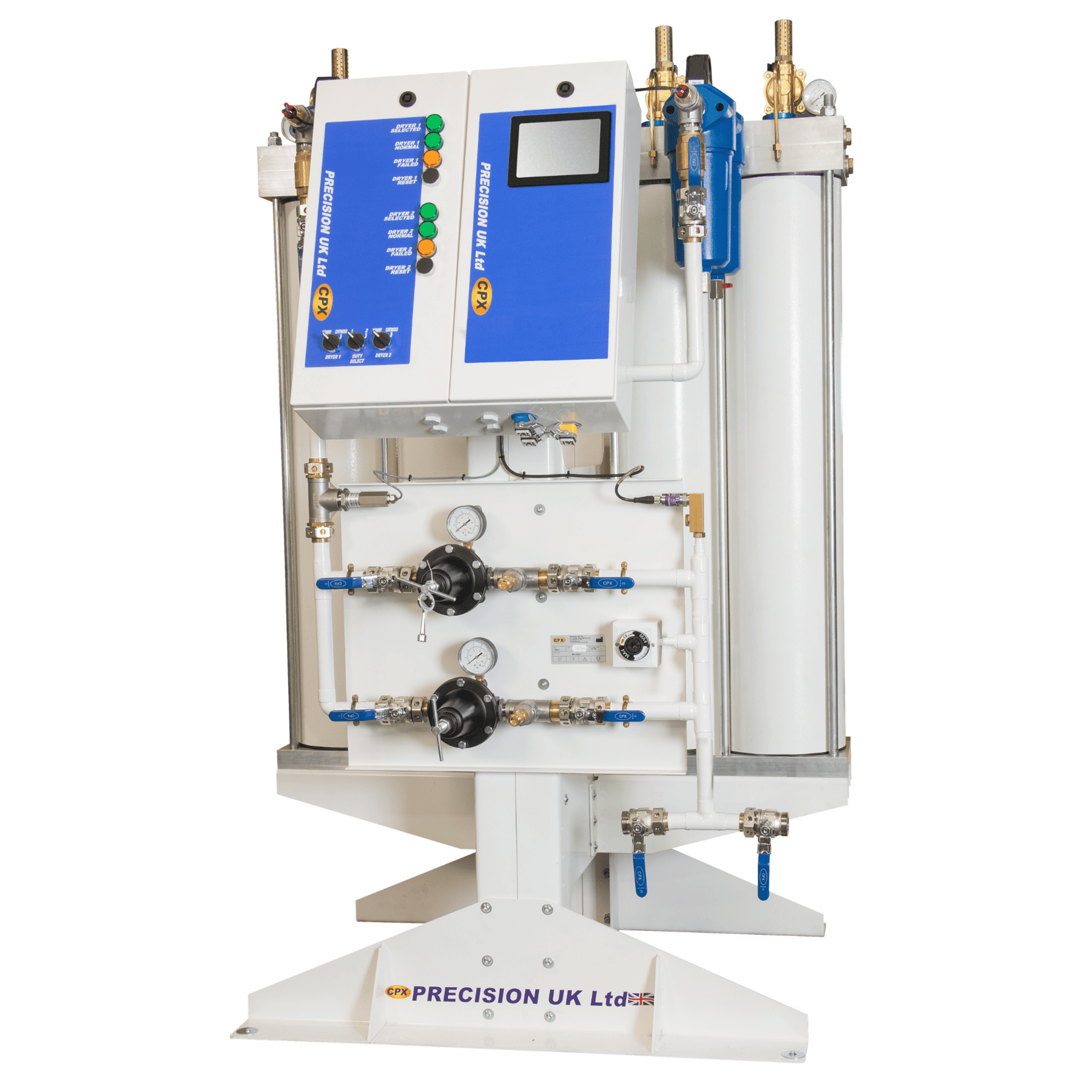
Medical air is classified as a medicinal product and is used extensively throughout healthcare environments for respiratory support, ventilators and numerous clinical applications.

Medical air plants must generate air that meets stringent quality requirements, which is achieved through carefully engineered compressor systems, filtration technology, dryers and monitoring equipment that remove contaminants, moisture and particulate matter before the air enters the pipeline network.

The quality of medical air is absolutely critical to patient safety. HTM 02-01 requires medical air systems to incorporate redundancy, automatic monitoring and alarm systems to ensure both air quality and system availability are maintained at all times.

Precision-engineered medical air plants are therefore fundamental to maintaining a compliant and resilient MGPS installation.

Learn More About CPX® Medical Air Plants

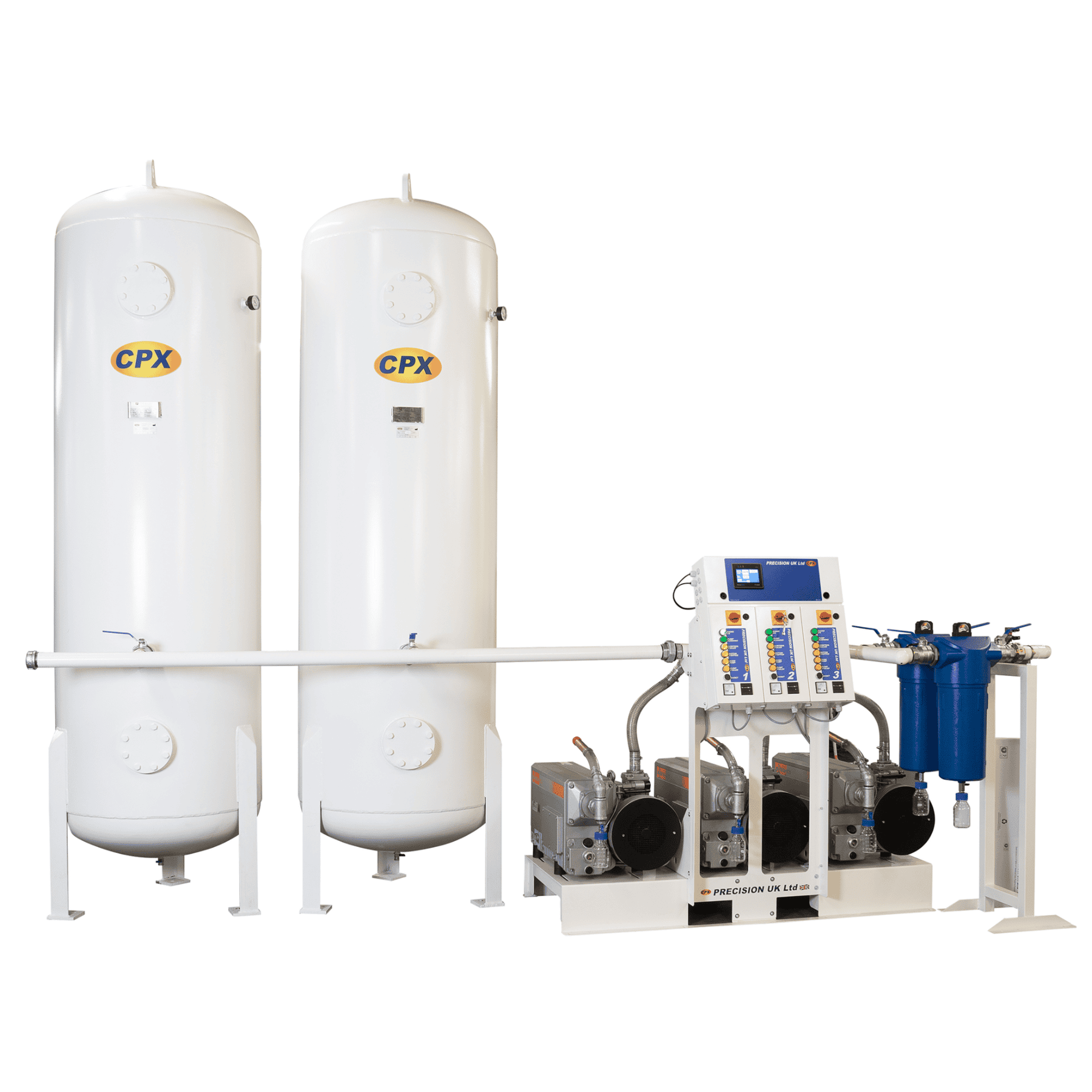
Medical Vacuum Plants

CPX Medical Vacuum Plant on plain white background

Medical vacuum systems provide the suction capability required throughout healthcare facilities for patient treatment, surgical procedures and clinical interventions.

From operating theatres and intensive care units to general wards and treatment rooms, vacuum systems play a vital role in airway management, fluid removal and infection control procedures. Any interruption to vacuum availability can have an immediate impact on patient care.

HTM 02-01 requires Medical Vacuum Plants to be designed with sufficient capacity, resilience and monitoring to ensure reliable operation under all conditions. This includes multiple pumps, automatic duty rotation, alarm systems and reserve capacity to maintain service during maintenance or equipment failure.

As one of the most heavily relied upon services within an MGPS, vacuum plant performance is critical to the overall functionality and safety of the healthcare environment.

Learn More About CPX® Medical Vacuum Plants

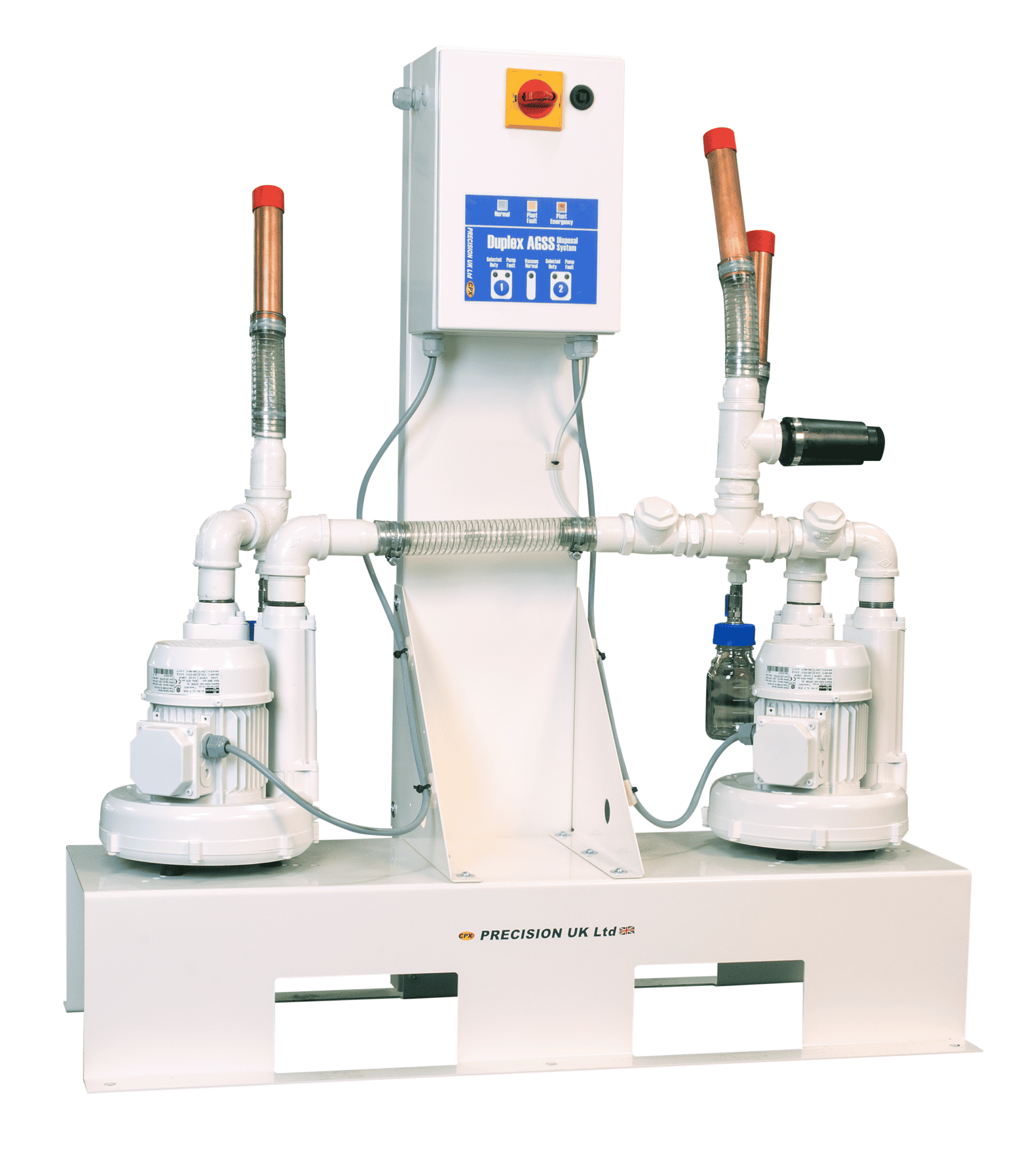
Anaesthetic Gas Scavenging System (AGSS) Plants

CPX AGSS Plant

Anaesthetic Gas Scavenging System (AGSS) Plants are designed to safely remove excess anaesthetic gases from operating theatres and recovery areas.

During surgical procedures, anaesthetic gases that are not absorbed by the patient must be safely extracted to prevent them accumulating within the clinical environment. Long-term exposure to waste anaesthetic gases can present health risks to healthcare professionals and negatively impact theatre conditions.

AGSS Plants form an important part of HTM-compliant theatre infrastructure, by ensuring waste gases are continuously removed and safely discharged. Modern AGSS installations incorporate dedicated monitoring, alarm systems and flow management to maintain effective extraction performance.

By protecting both clinical staff and patients, AGSS contribute directly to safer healthcare environments and regulatory compliance.

Learn More About CPX® AGSS Plants

Medical Gas Manifolds

CPX Oxygen Manifold on a plain white background

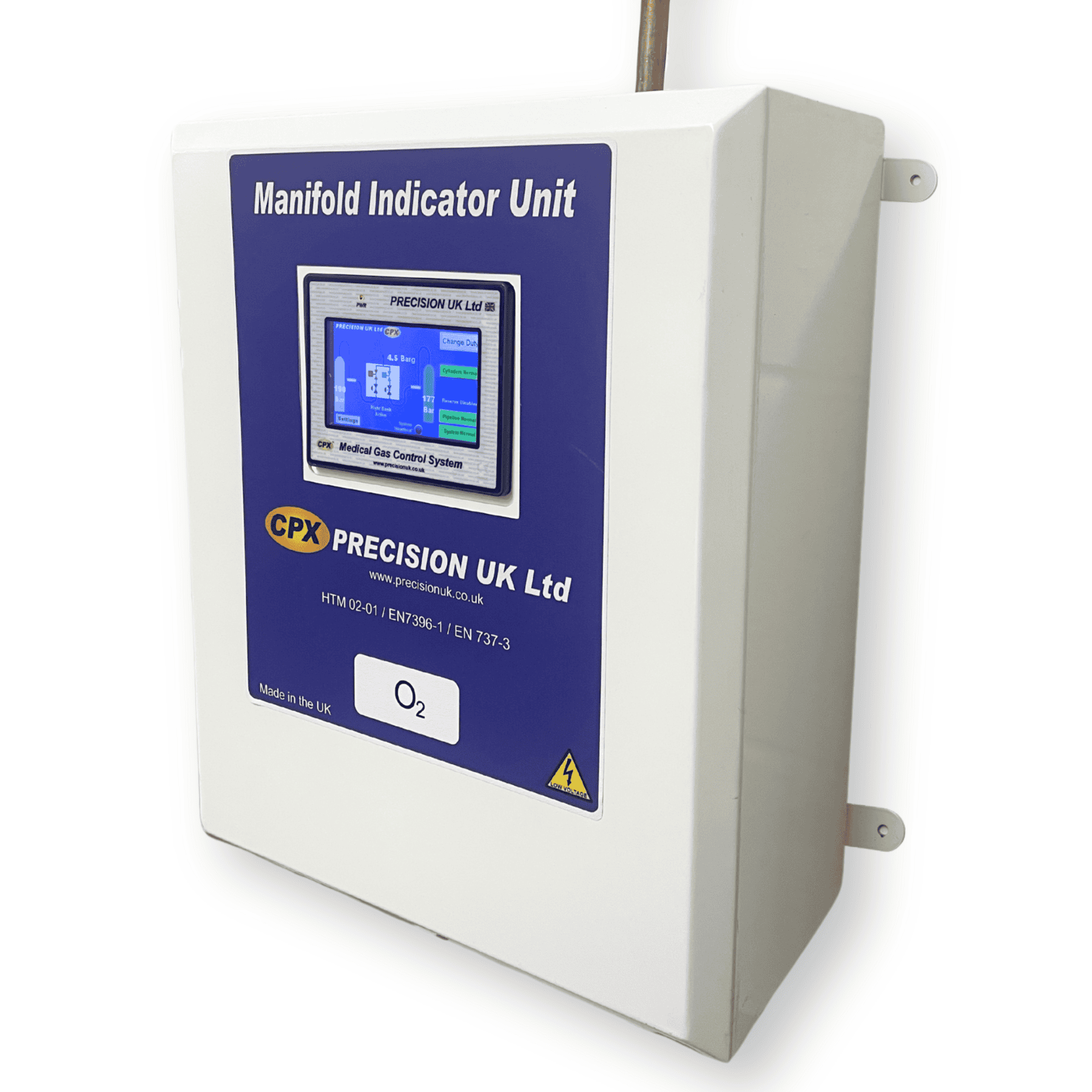
Medical gas manifolds provide a controlled method of supplying gases from cylinder banks into the pipeline system. They are commonly used for Oxygen (O₂) reserve supplies and gases such as Nitrous Oxide (N₂O), Carbon Dioxide (CO₂), Medical Air (MA4), Surgical Air (SA7), and Nitrogen (N₂).

The importance of a manifold system lies in its ability to maintain continuous gas availability.

Automatic manifolds monitor cylinder pressure and automatically switch between duty and reserve banks when a primary bank becomes depleted. This automatic changeover capability reduces the risk of supply disruption and helps eliminate human error during cylinder replacement.

HTM 02-01 places significant emphasis on supply continuity and resilience. Compliant manifold systems must provide clear status indication, alarm integration, pressure regulation and sufficient reserve capacity to support hospital operations during emergencies or maintenance activities.

Without properly designed manifold systems, healthcare facilities would face increased risk of unexpected gas supply interruptions that could directly impact clinical services.

Learn More About CPX® Medical Gas Manifolds

Oxygen Generators

3D Model of CPX Oxygen Generator

Medical Oxygen Generators provide healthcare facilities with an independent source of medical oxygen by producing oxygen on-site using Pressure Swing Adsorption (PSA) technology.

Increasingly adopted across hospitals and healthcare environments, oxygen generation systems reduce reliance on external oxygen deliveries while improving supply resilience and operational control.

As a primary source within the Medical Gas Pipeline System (MGPS), oxygen generators play a vital role in ensuring a continuous supply of oxygen for patient care.

Their ability to produce oxygen on demand helps healthcare providers maintain continuity of service during periods of increased demand or supply chain disruption.

To comply with HTM 02-01, oxygen generation systems must incorporate appropriate monitoring, alarm functionality, redundancy and reserve supply arrangements to safeguard patient safety and maintain system reliability.

When correctly integrated into the wider MGPS infrastructure, oxygen generators provide a cost-effective, sustainable and dependable oxygen supply solution for modern healthcare facilities.

Learn More About CPX® Oxygen Generators

Medical Pipeline Infrastructure

The medical gas pipeline infrastructure forms the backbone of the MGPS, safely transporting medical gases and vacuum services from the plant room to patient care areas throughout the healthcare facility.

Designed to maintain gas purity, system integrity and uninterrupted supply, the pipeline network connects every source, control and terminal component within the system.

To comply with HTM 02-01, medical gas pipeline infrastructure must be manufactured, installed and tested to stringent standards, ensuring reliability, safety and long-term performance.

Explore the CPX copper pipeline components trusted to build robust medical gas networks across healthcare facilities around the globe…

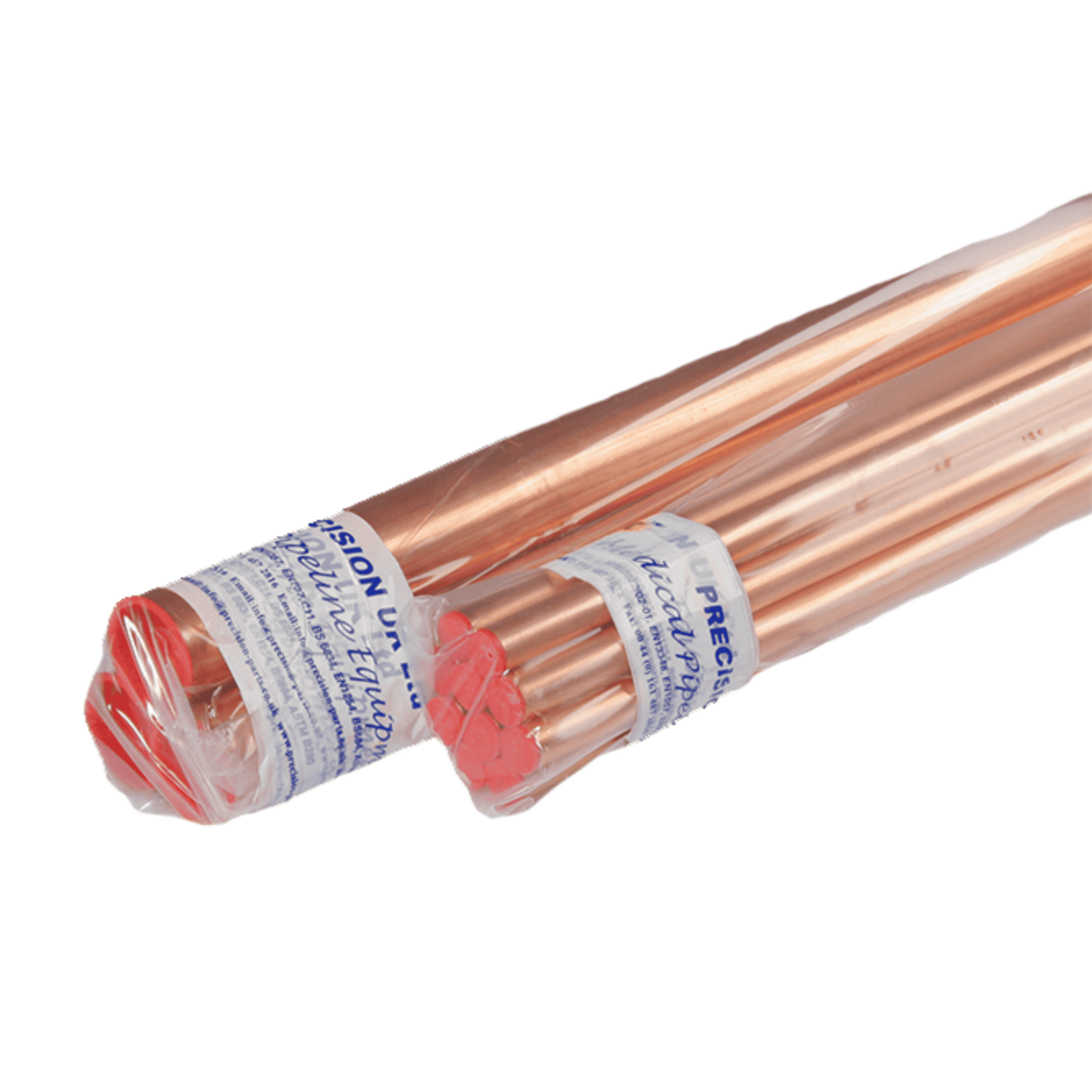
Degreased Medical Copper Tube


CPX Degreased Medical Copper Tube wrapped in a clear, branded polythene bag.

Medical Degreased Copper Tube provides the primary pathway for transporting medical gases throughout a healthcare facility.

Unlike standard copper pipework, medical gas tube is specially cleaned and degreased during manufacture to eliminate contaminants that could compromise gas purity or patient safety.

As every medical gas passes through the pipeline network before reaching the patient, the quality and integrity of the copper tube are fundamental to the performance of the entire MGPS.

HTM 02-01 requires the use of approved materials and installation practices that maintain cleanliness, reliability and long-term system integrity, making medical degreased copper tube an essential component of every compliant medical gas installation.

Learn More About CPX® Degreased Copper Tube

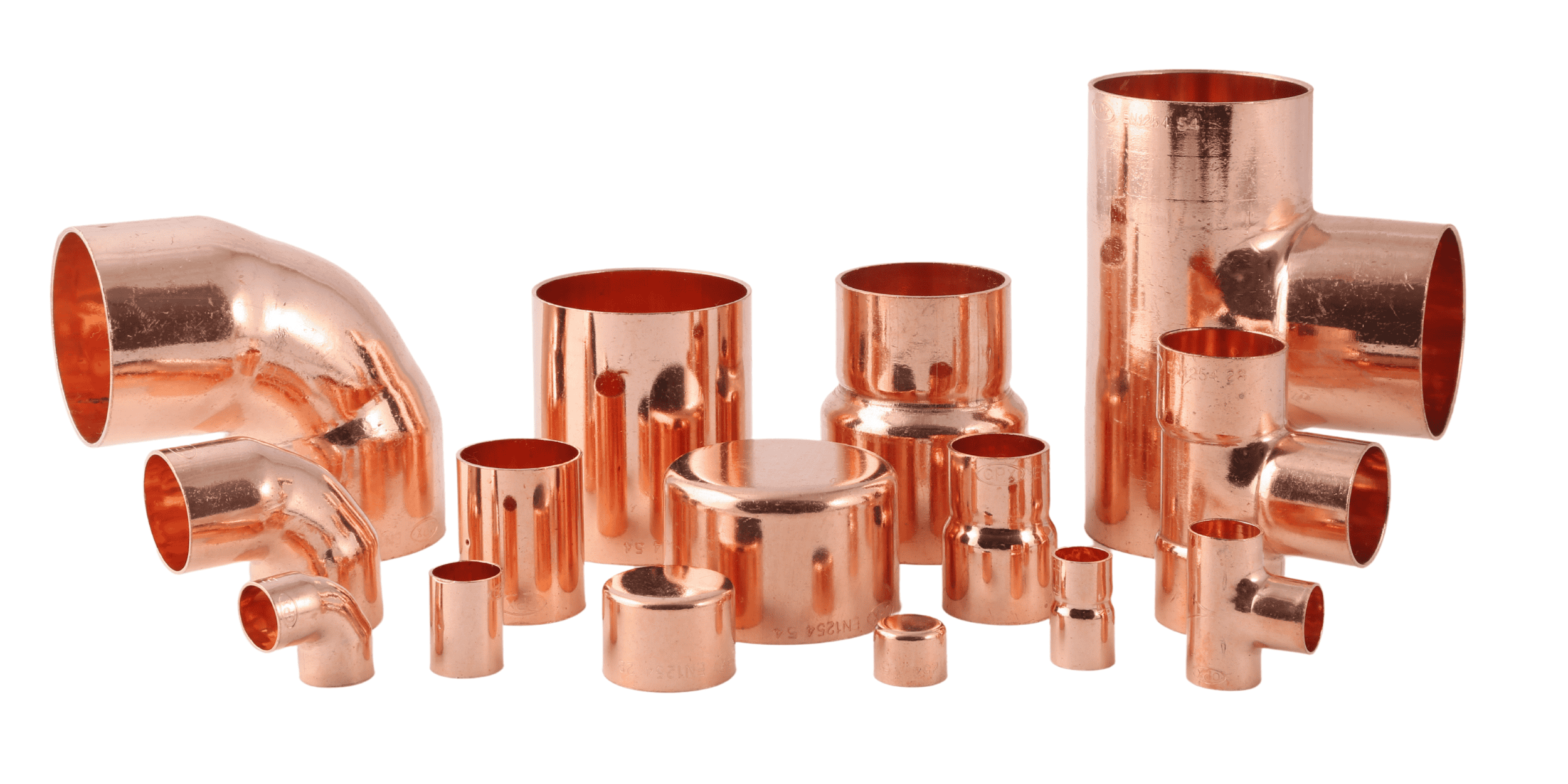
Degreased Medical Copper Fittings

A range of CPX Degreased Medical Copper Fittings assembled on white background

Medical Degreased Copper Fittings create the joints and connections that hold the medical gas pipeline network together.

Manufactured and cleaned specifically for medical gas applications, these fittings ensure a secure, leak-free system while maintaining the cleanliness standards required for medical gas distribution.

The performance of an MGPS depends not only on the quality of the pipework itself but also on the integrity of every connection within the network.

HTM 02-01 requires fittings to be suitable for medical gas use and installed using validated procedures to prevent contamination, leakage and system failure.

Properly specified fittings help ensure the safe and reliable delivery of medical gases throughout the healthcare environment.

Learn More About CPX® Degreased Copper Fittings

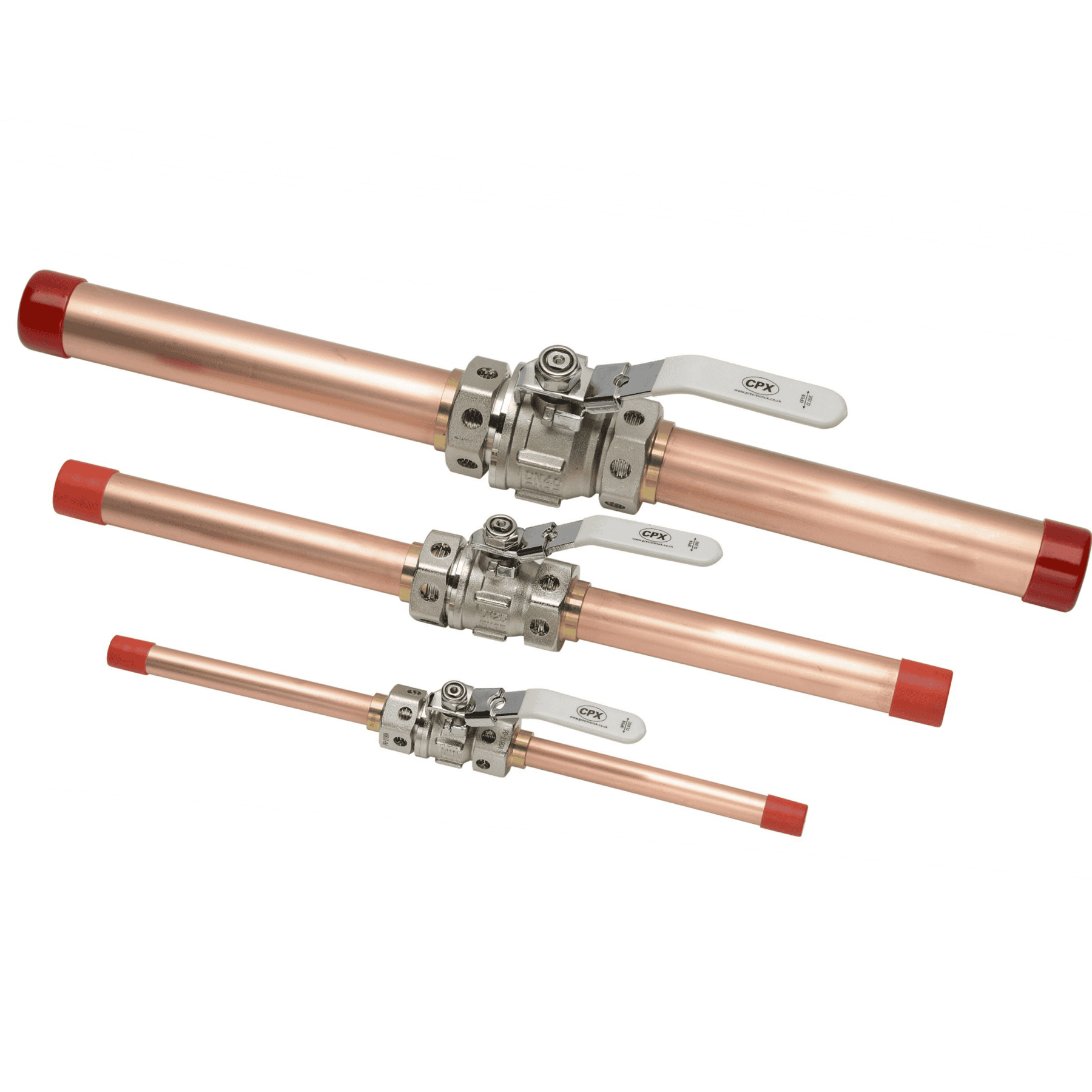
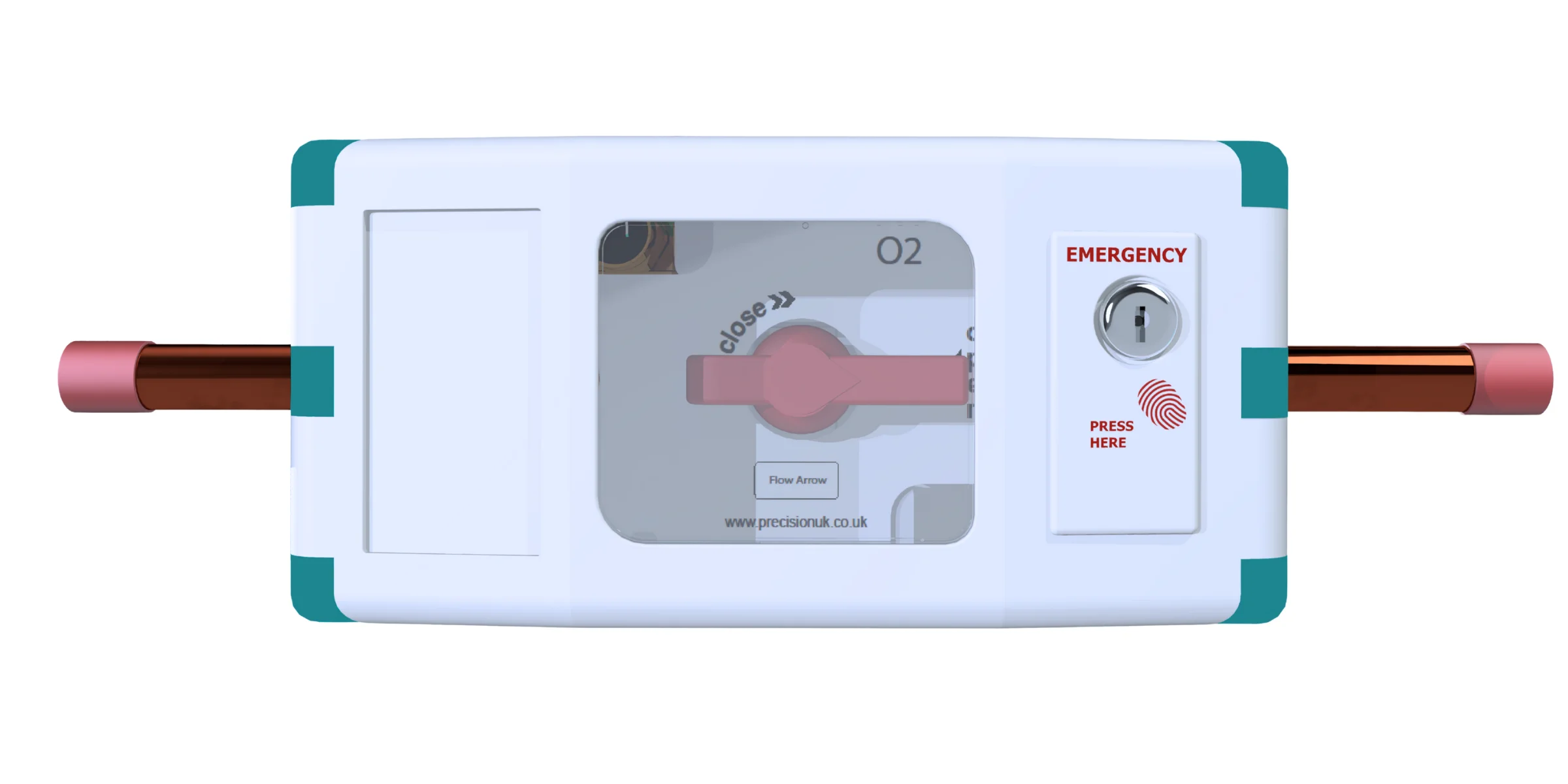
Medical Lockable Line Valves

3 CPX® Medical Lockable Line Valves of varying sizes stacked on a white background

Medical Lockable Line Valves provide a secure means of isolating sections of the pipeline network during maintenance, repairs or emergency situations.

Positioned throughout the MGPS, they allow authorised personnel to safely control gas flow without affecting the operation of the wider system.

Their role is critical in maintaining service continuity, as individual areas can be isolated while medical gas supplies remain available elsewhere within the facility.

To support HTM 02-01 compliance, lockable line valves must be clearly identified, accessible and designed to prevent unauthorised operation, helping healthcare providers manage medical gas systems safely and efficiently.

Learn More About CPX® Lockable Line Valves

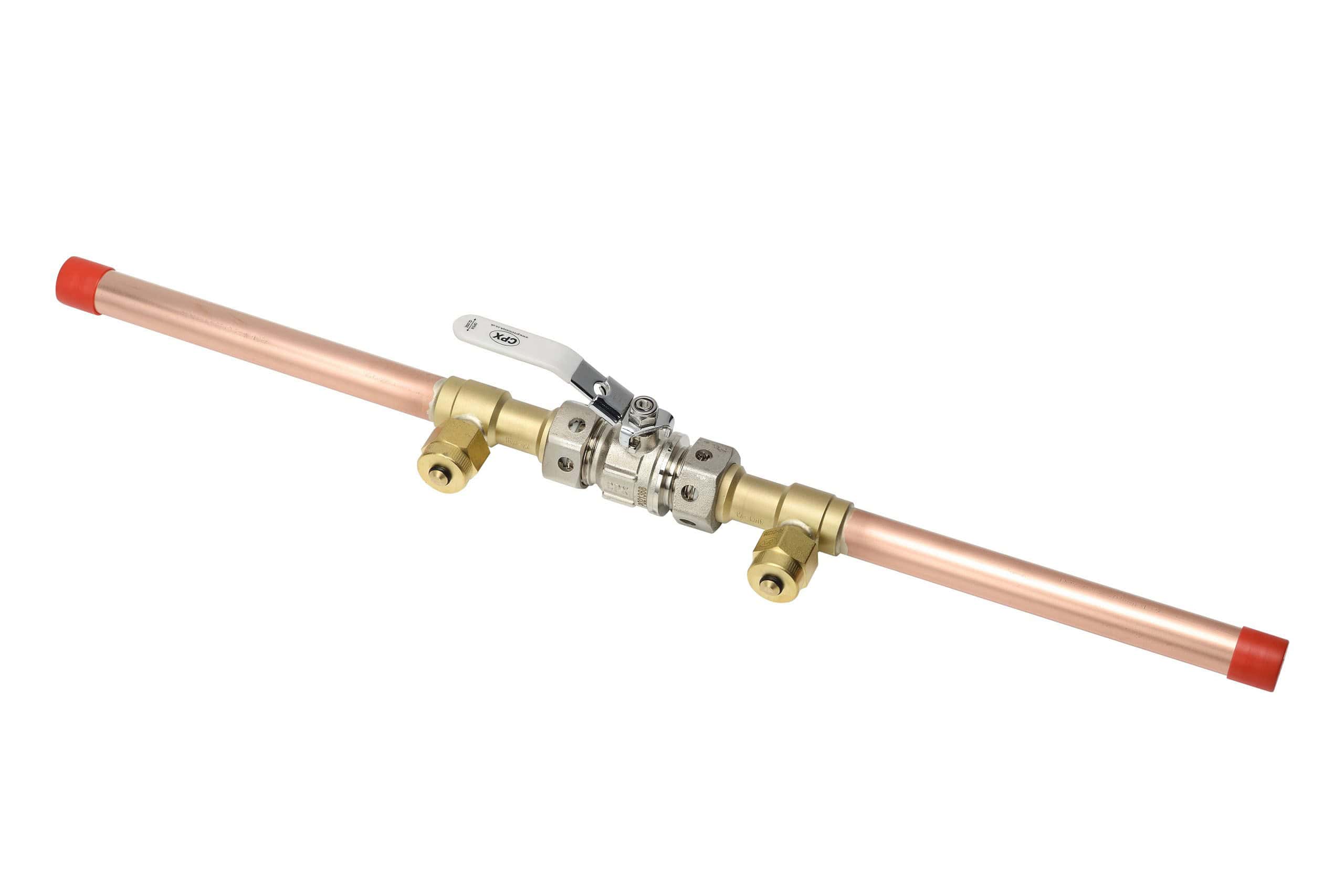
Medical NIST Lockable Line Valve

CPX NIST Medical Lockable Line Valve on a white background

Medical NIST Lockable Line Valves combine pipeline isolation with gas-specific safety features.

Utilising the Non-Interchangeable Screw Thread (NIST) system, these valves prevent the connection of incorrect gas services, helping to eliminate the risk of cross-connection and misidentification.

Within a hospital environment where multiple medical gases are distributed through adjacent services, positive gas identification is essential.

HTM 02-01 places significant emphasis on preventing misconnections throughout the MGPS, and NIST lockable line valves provide an additional layer of protection by ensuring each gas service remains uniquely identifiable and safely controlled.

Learn More About CPX® NIST Lockable Line Valves

Medical Gas Pipeline Control

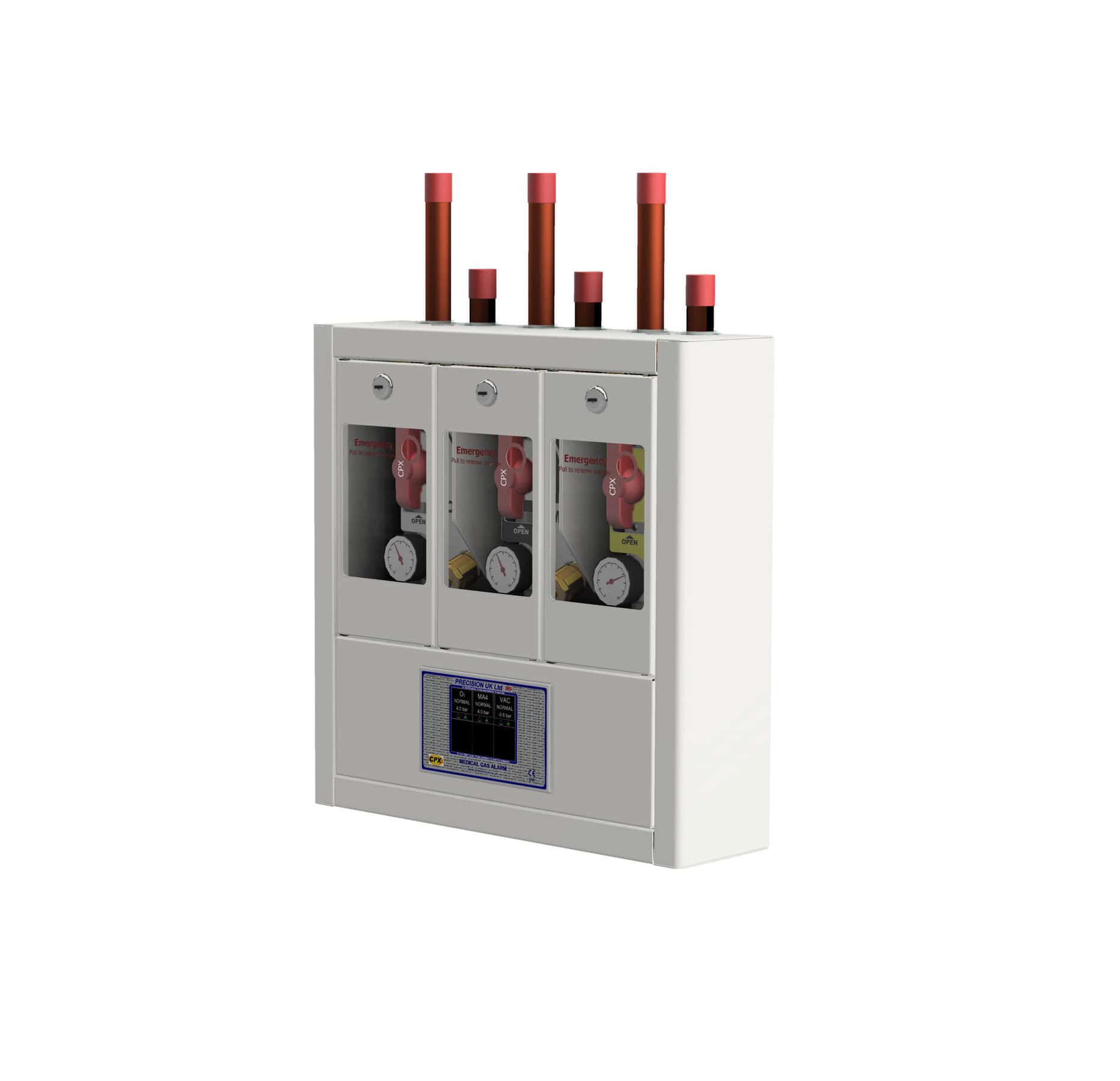
Medical gas pipeline control systems provide the visibility, monitoring and isolation capabilities required to maintain a safe and compliant MGPS.

Positioned throughout healthcare facilities, these critical components allow estates teams and clinical staff to monitor system performance, respond to faults and safely isolate medical gas services when required.

HTM 02-01 places significant emphasis on system monitoring, alarm management and isolation procedures to ensure continuity of supply and patient safety.

From Area Valve Service Units (AVSUs) to Digital Area Alarms, learn more about our world-leading CPX pipeline control solutions below.

Area Valve Service Units (AVSUs)

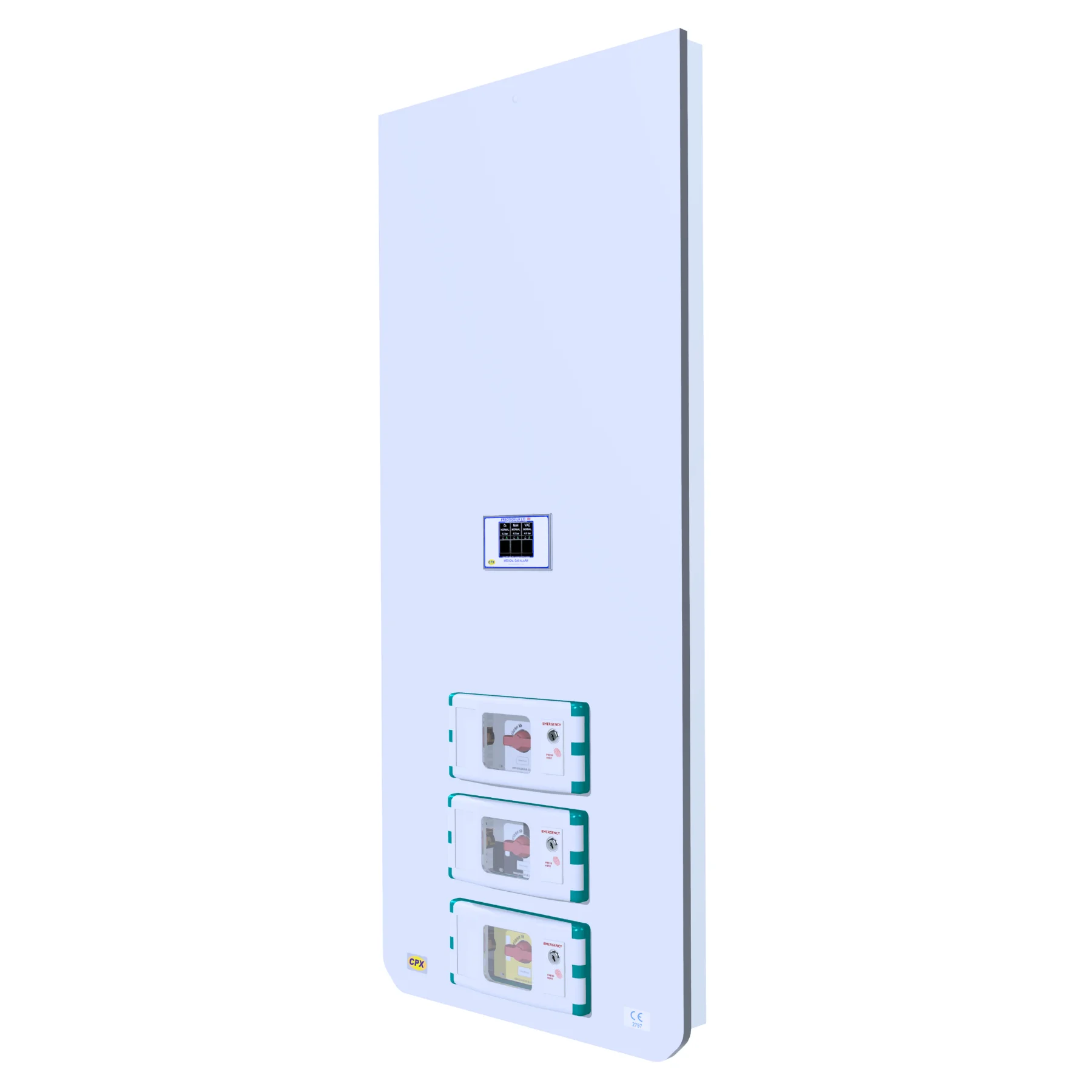
CPX Compact AVSU Module on white background

Area Valve Service Units (AVSUs) provide a safe and controlled method of isolating medical gas services to specific departments, wards or clinical areas without affecting the wider hospital network.

They are a fundamental safety component within every Medical Gas Pipeline System, enabling maintenance, testing and emergency works to be carried out whilst maintaining uninterrupted patient care.

HTM 02-01 requires AVSUs to be positioned strategically throughout healthcare facilities, ensuring medical gas services can be isolated quickly and safely when required.

Precision UK offers a range of AVSU solutions to suit different healthcare environments, including Laminate AVSU Module, HTM Compact AVSU, Compact AVSU and Single AVSUs, providing flexibility for both new-build and refurbishment projects.

Learn More About CPX® AVSUs

Digital Area Alarms

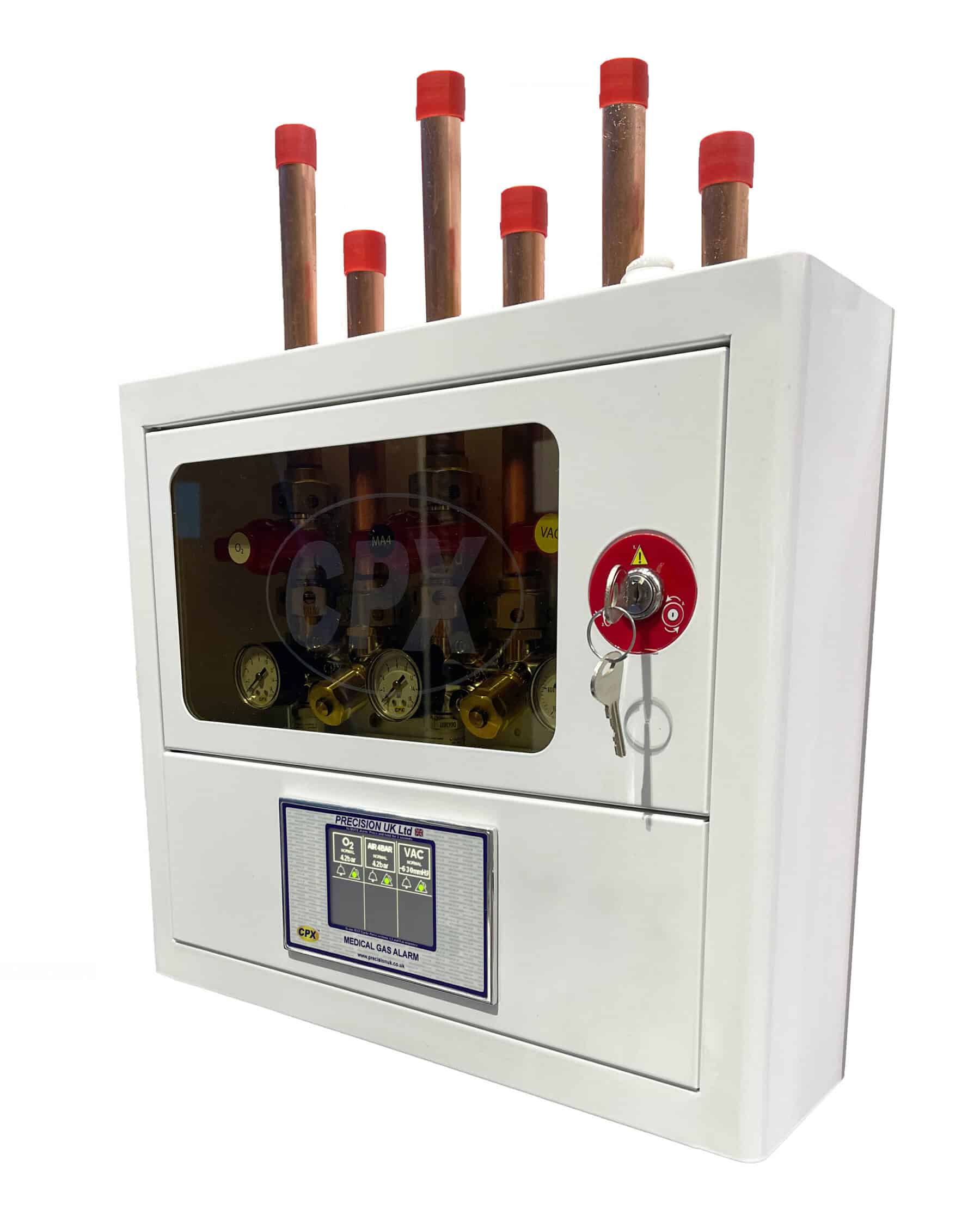
CPX Digital Area Alarm by Precision UK on a plain white background

Digital Area Alarms provide continuous monitoring of medical gas pipeline conditions, helping healthcare facilities maintain safe and reliable operation of their MGPS.

By displaying live pressure information and generating visual and audible alerts when abnormal conditions occur, these systems enable rapid response to potential issues before they impact patient care.

As required by HTM 02-01, medical gas alarm systems play a critical role in warning staff of pressure fluctuations, supply failures and other system faults.

Modern digital alarm panels offer improved visibility, enhanced diagnostics and seamless integration with wider healthcare infrastructure, helping estates teams maintain compliance while ensuring uninterrupted medical gas availability throughout the facility.

Learn More About CPX® Digital Area Alarms

Patient Area

Patient area medical gas systems form the final stage of the MGPS, delivering essential gases and vacuum services directly to clinicians & patients at the bedside, in treatment rooms, operating theatres and other critical care environments.

These systems must be designed for absolute reliability, ease of use and maximum patient safety, as they support life-critical treatment across all clinical areas of a healthcare facility.

HTM 02-01 requires all patient-facing medical gas equipment to incorporate strict safety, identification and performance standards to prevent misconnections, ensure consistent delivery and maintain uninterrupted service.

Engineered to meet the needs of modern healthcare, our CPX patient area solutions are trusted across wards, operating theatres, and critical care units around the world – learn more below.

CPX Bedhead Unit with blue trim mounted on wall in hospital ward

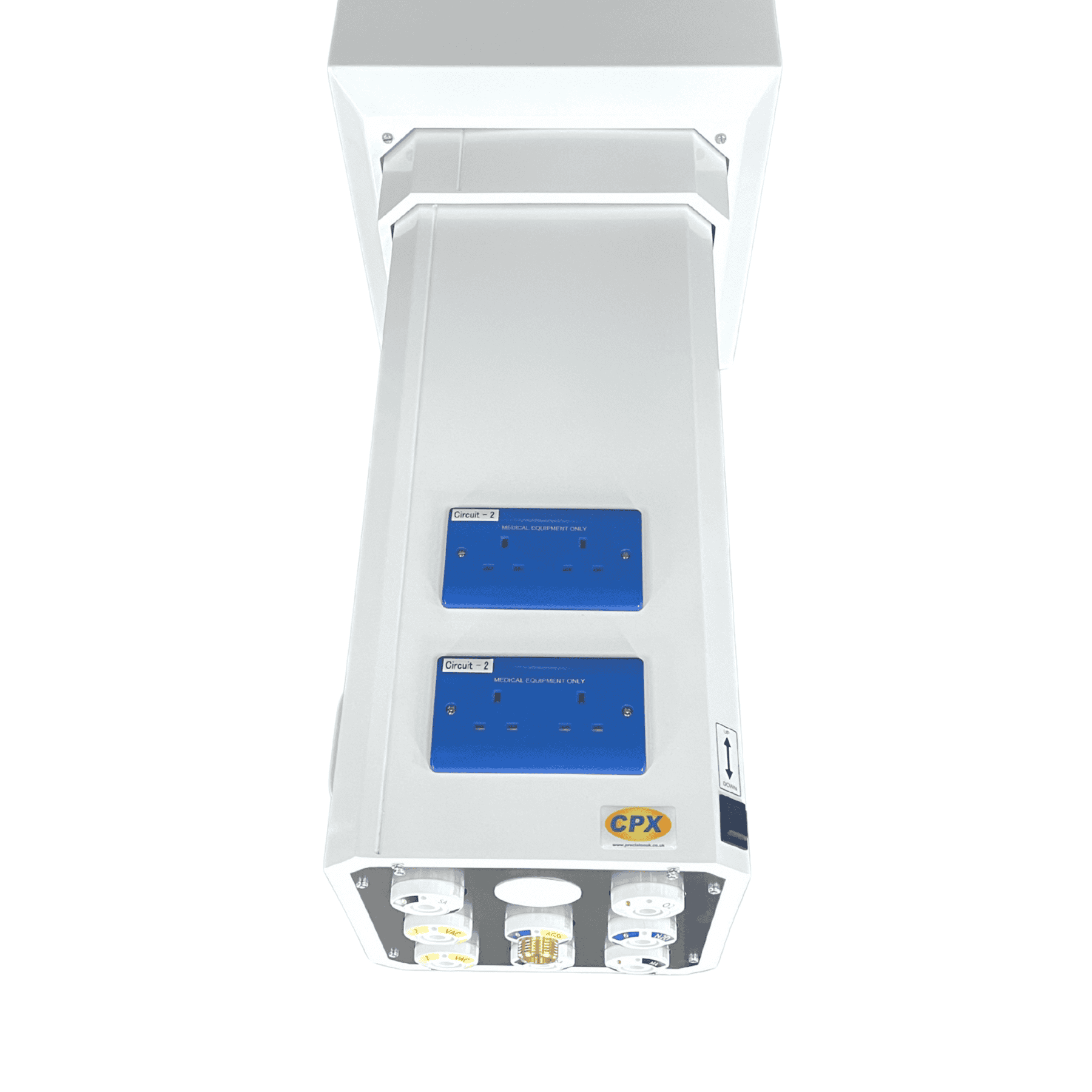
Bedhead Units

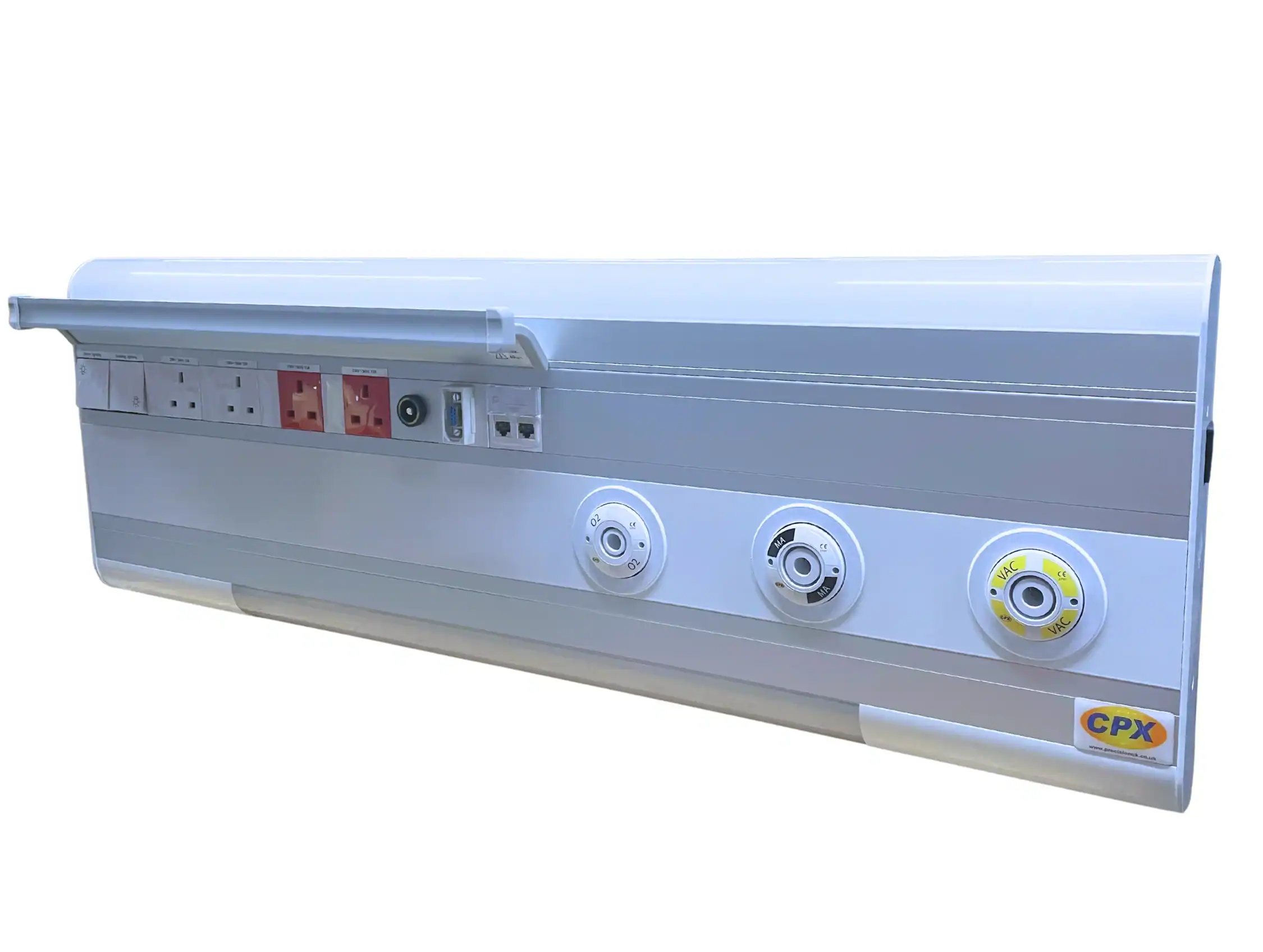
A CPX Bedhead Unit on a plain white background

Bedhead Units provide a centralised, convenient point for medical gases, electrical supplies, nurse call systems and data connections at the patient’s bedside.

By consolidating essential services into a single, organised system, they improve clinical efficiency, reduce clutter and support safer patient environments.

HTM 02-01 compliant Bedhead Units ensure correct gas identification, safe outlet positioning and reliable performance under continuous clinical use.

Their design helps healthcare staff access critical services quickly, while maintaining strict safety standards within ward and critical care environments.

Learn More About CPX® Bedhead Units

Medical Gas Outlets

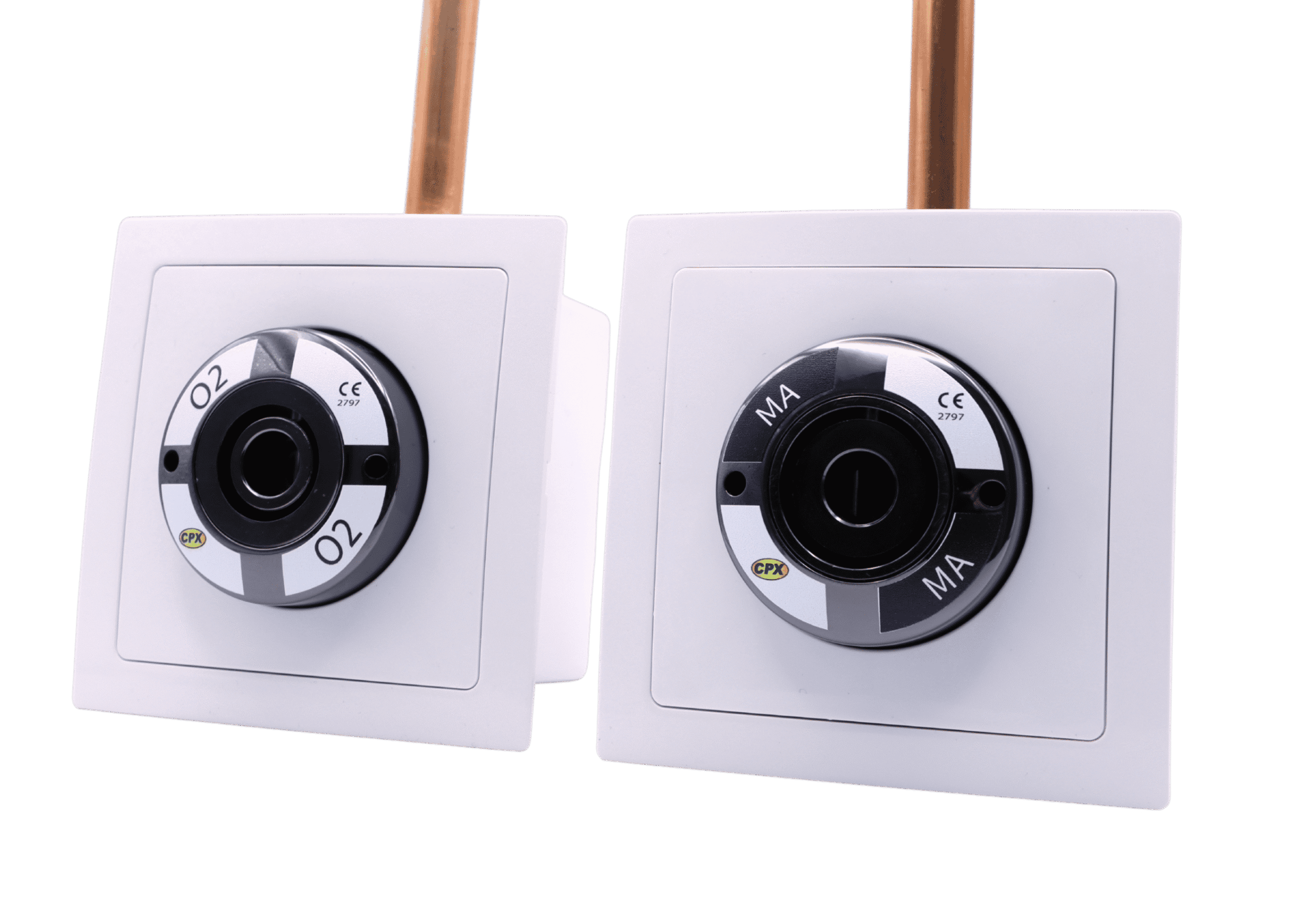
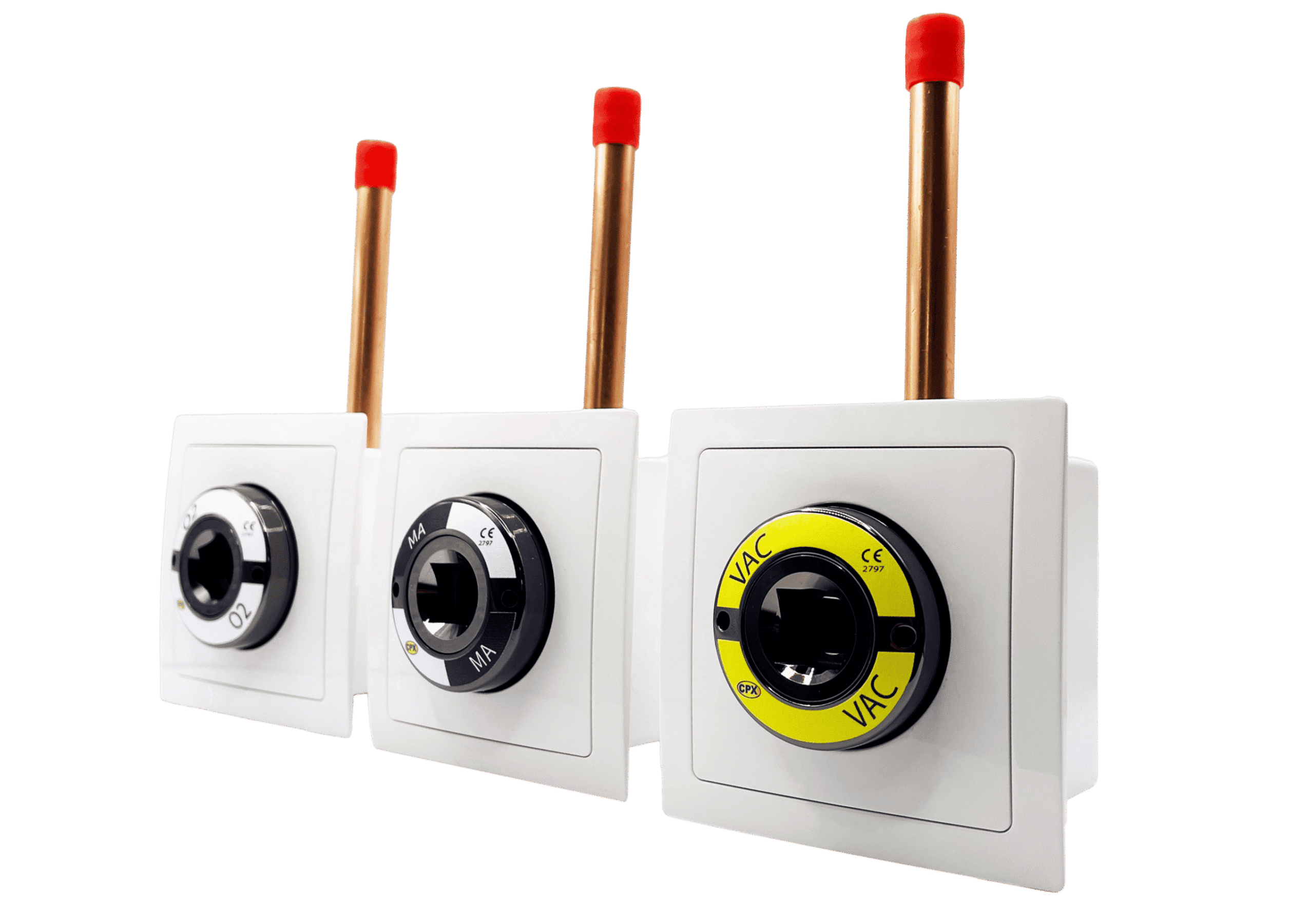
3 CPX Medical Gas Outlets in order from left to right: Oxygen, Medical Air, Vacuum

Medical Gas Outlets provide the final connection point between the MGPS pipeline system and clinical equipment.

These terminal units are used across wards, theatres, intensive care units and treatment rooms to supply oxygen, medical air, vacuum and other gases directly to patient care devices.

Designed with gas-specific indexing systems, Medical Gas Outlets prevent misconnections and ensure that only the correct equipment can be connected to each gas supply.

This is a key requirement of HTM 02-01, where patient safety and system integrity depend on absolute identification accuracy and reliable performance.

Learn More About CPX® Medical Gas Outlets

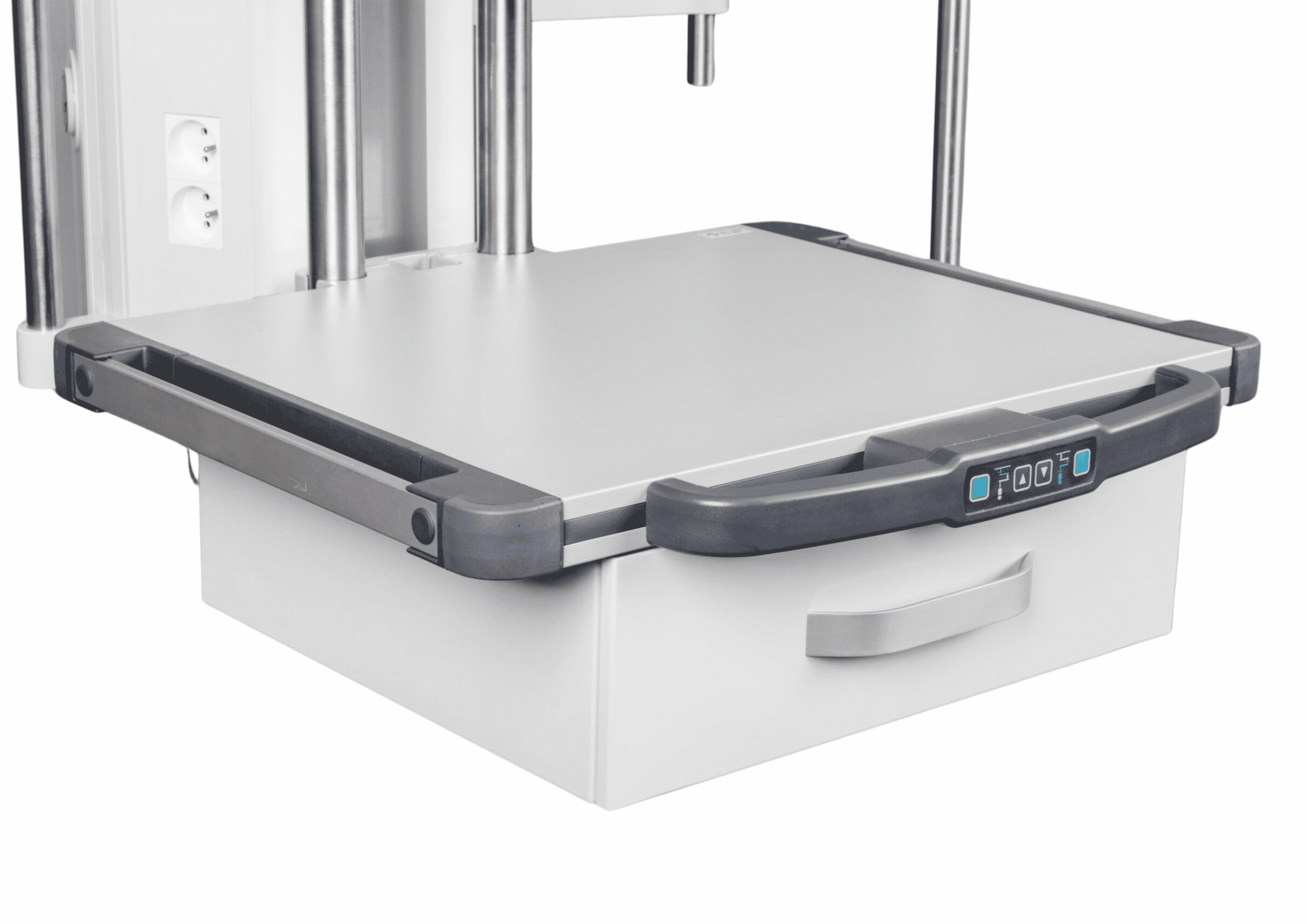
Medical Ceiling Pendants

A CPX-Single-Arm-Multi-Movement-Medical-Pendant on plain white background

Medical ceiling pendants provide overhead delivery of medical gases, electrical services and clinical equipment in operating theatres, intensive care units and other high-dependency patient care environments.

By suspending services from above, they free up floor space, reduce trip hazards and improve clinical access around the patient, supporting safer and more efficient clinical workflows.

Within the MGPS, pendants play a critical role in ensuring that medical gas outlets and associated services remain easily accessible, clearly organised and safely integrated into complex clinical environments such as operating theatres.

HTM-compliant designs ensure correct gas identification, secure pipeline integration and reliable performance under continuous clinical use in the most demanding healthcare settings.

Learn More About CPX® Medical Ceiling Pendants

Oxygen Flowmeters

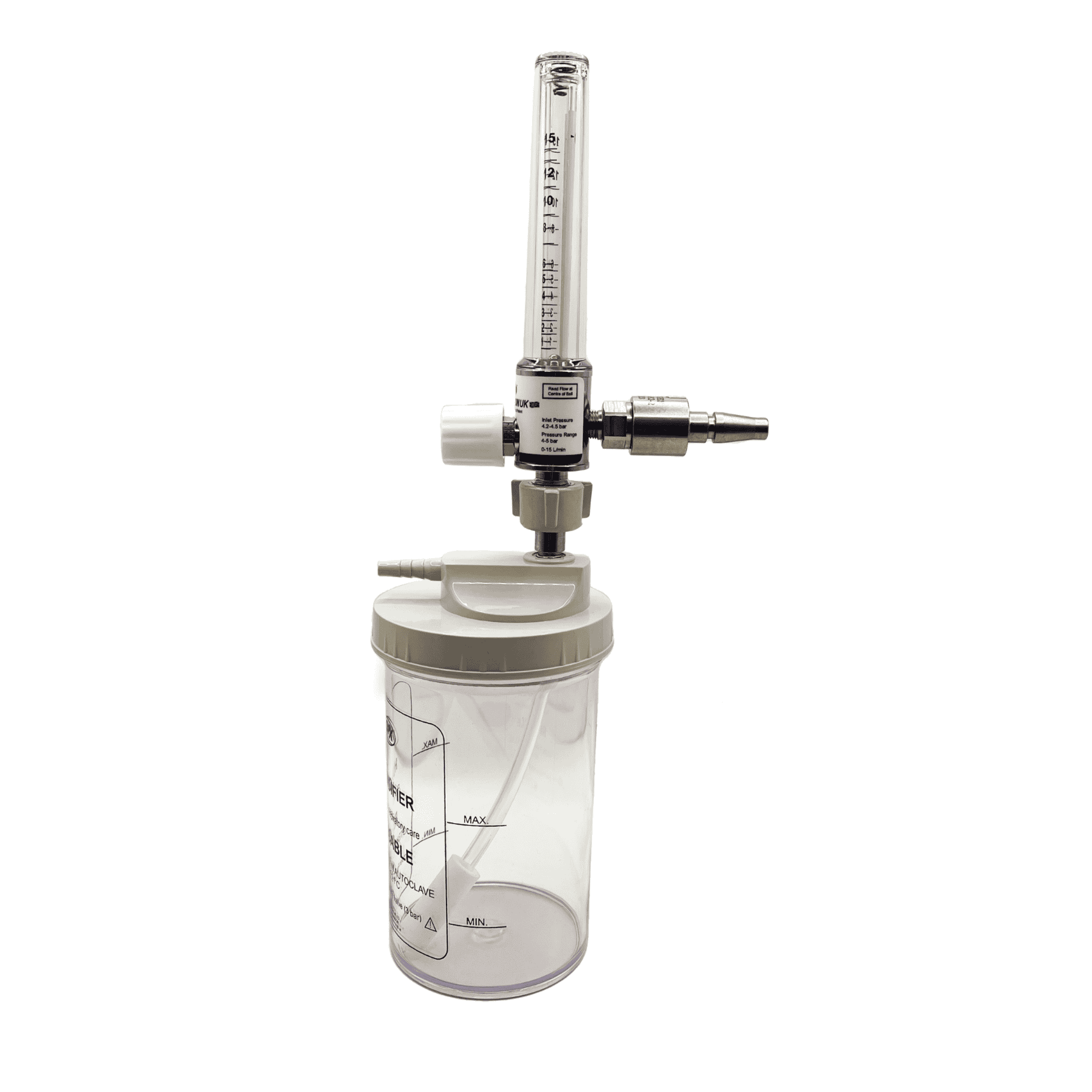
Flow meters regulate and display the precise delivery of medical gases, most commonly oxygen, across both general ward environments and higher acuity areas such as intensive care units and operating theatres.

They allow clinicians to accurately adjust flow rates based on individual patient requirements, ensuring safe and effective therapy in both routine and emergency care.

HTM-compliant flow meters are designed for accuracy, durability and consistent performance under continuous clinical use, supporting safe oxygen delivery throughout the hospital.

Learn More About CPX® Oxygen Flowmeters

Vacuum Suction Regulators

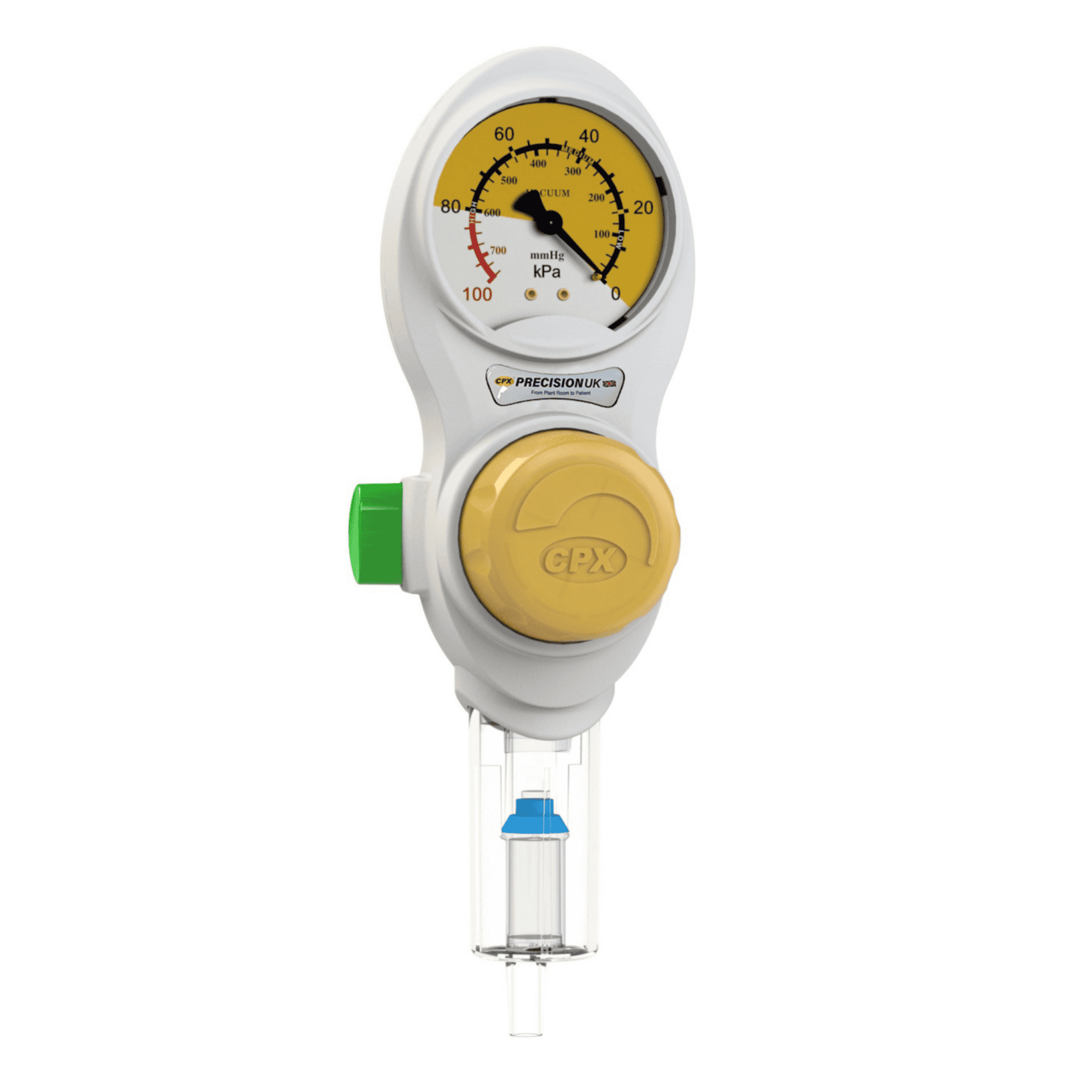
CPX Vacuum Suction Regulator on white background

Vacuum suction regulators control the level of negative pressure delivered from the medical vacuum system to clinical equipment used across patient wards, critical care units and surgical environments.

They are essential for airway management, surgical suction and emergency procedures within both bedside and theatre settings.

These devices allow clinicians to precisely control suction levels for different clinical applications, helping ensure patient safety while maintaining effective removal of fluids and secretions.

Learn More About CPX® Vacuum Suction Regulators

Need Project Support?

Speak with our Sales Team today!

Medical Copper Pipeline running horizontally along wall in hospital plant room
Privacy Overview

Cookie Policy

Effective Date: 22.09.2025

This Cookie Policy explains how Precision Parts UK Ltd (“we”, “our”, “us”) uses cookies and similar technologies on our website www.precisionuk.co.uk.

It should be read alongside our Privacy Policy.

  1. What Are Cookies?

Cookies are small text files that are stored on your device when you visit a website. They help websites function properly, improve user experience, and provide information to the site owners.

Cookies may be:

  • Session cookies: Deleted when you close your browser.
  • Persistent cookies: Remain on your device until they expire or are deleted.
  • First-party cookies: Set directly by our website.
  • Third-party cookies: Set by external services we use.
  1. Types of Cookies We Use

We use the following categories of cookies:

(a) Strictly Necessary Cookies

These cookies are essential for the operation of our website. They enable basic functions such as page navigation, secure login, and order processing. Without them, the website cannot function properly.
Examples: security and authentication cookies, Gravity Forms (form submissions).

(b) Performance & Analytics Cookies

These help us understand how visitors use our website, so we can improve functionality, speed, and content.

Examples: Google Analytics cookies, which collect data such as page views, traffic sources, and browsing behaviour (in aggregated form).

(c) Functional Cookies

These allow us to remember your preferences and provide enhanced features.

(d) Marketing & Advertising Cookies

These track your browsing habits to show relevant content or measure the effectiveness of campaigns. They may be set through our site by our marketing partners.
Examples: Facebook Pixel, LinkedIn Insight Tag, Mailchimp cookies.

  1. Third-Party Cookies

We may use services provided by trusted third parties who set cookies on our website, including but not limited to:

  • Google Analytics – website analytics and performance tracking.
  • Facebook & LinkedIn – advertising and social engagement.
  • Mailchimp – email subscription and marketing tracking.
  • WhatsApp – enabling communication links.
  • Gravity Forms & WP Chat App by NinjaTeam – form submissions and live chat.

These providers may collect information such as your IP address, browser type, and browsing activity across different websites.

  1. How to Manage Cookies

When you first visit our website, you will be presented with a cookie banner giving you the option to accept or reject non-essential cookies. You can update your preferences at any time by revisiting the banner.

You can also control cookies through your browser settings by:

  • Blocking all cookies.
  • Blocking third-party cookies.
  • Deleting cookies when you close your browser.

Please note: Disabling some cookies may affect the functionality of our website.

  1. Legal Basis for Cookies

We use cookies under the following lawful bases:

  • Strictly necessary cookies: Legitimate interest (essential to provide the website).
  • Analytics, functional, and marketing cookies: Consent (you may withdraw at any time).
  1. Changes to This Cookie Policy

We may update this Cookie Policy from time to time. Updates will be posted on this page with a new “Effective Date”.

  1. Contact Us

If you have any questions about our use of cookies, please contact:

Data Protection Officer
Precision Parts UK Ltd
Corner House 28 Huddersfield Road, Newhey, OL16 3QF
Email: info@precisionuk.co.uk
Tel: +44 161 487 2822